
Pigeons are among the most familiar birds in the UK. They turn up everywhere, from town squares and busy cities to quiet gardens and allotments. While some people dismiss them as a nuisance, they are fascinating creatures with an important role in the natural world.
The Natural Diet of Pigeons
Out in the wild, pigeons are mainly seed and plant eaters. Seeds and grains form the bulk of their diet, giving them the energy and protein they need. They will also eat berries and fruit when they are in season, as well as tender green shoots and leaves in spring when plants start growing again.
Occasionally, pigeons will take insects, though this is a small part of their diet. Wood pigeons, which are the most common visitors to UK gardens, are well known for raiding allotments and helping themselves to peas, beans, and brassica leaves. Gardeners often see them as greedy, but it is just part of their natural behaviour.
Feeding Pigeons in the Garden
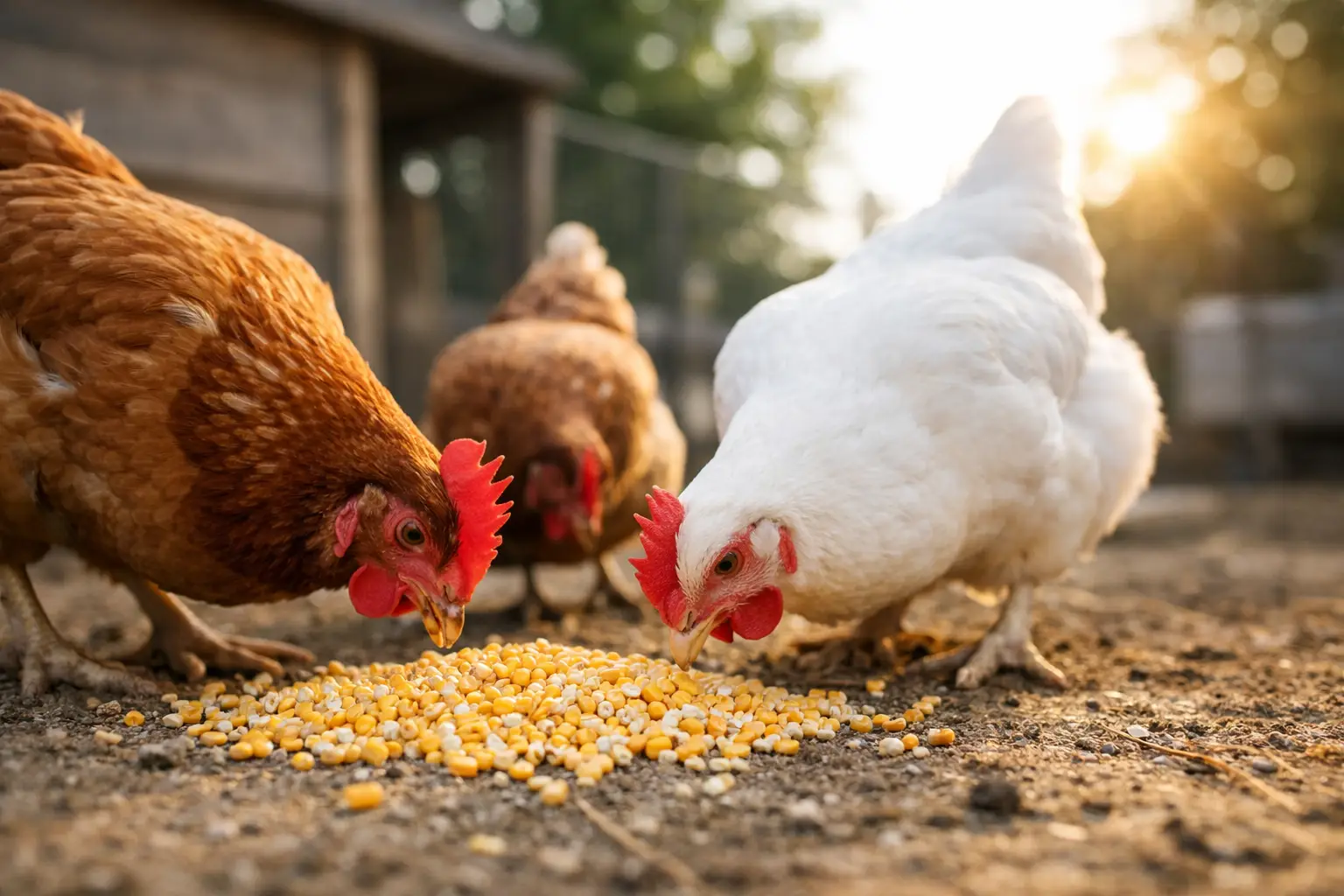
If you want to support pigeons in your garden, try to offer food that mirrors their natural diet. Mixed seed blends with wheat, maize, sunflower seeds, and peas are a great choice. Grains such as barley, oats, and cracked corn also go down well, and chopped fruit like apple, pear, or berries provides variety.
Specialist pigeon mixes are available too, and these are carefully balanced to keep the birds healthy. At SS Seed Co we stock a range of blends that suit garden pigeons perfectly.
Foods That Should Be Avoided
Not all food is safe or healthy for pigeons. Bread is one of the worst offenders — it offers little nutrition, can swell inside a bird’s stomach, and often leaves pigeons hungry and undernourished. Salty or processed food is also dangerous, while milk should never be given to birds as they cannot digest it.
Large, unbroken grains can also be a risk, as pigeons may choke if the food is too hard. Always opt for cracked or smaller grains where possible.
Feeding Pigeons Safely
Pigeons are ground feeders, so a flat tray or dedicated ground feeder works far better than a hanging feeder designed for smaller birds. Scatter small amounts at a time rather than overloading one spot, as this reduces waste and prevents large flocks from overwhelming your garden.
Keeping feeding areas clean is vital, especially since pigeons often eat in groups. Rinse feeders regularly and clear away any mouldy or spoiled food. Fresh water should also be provided for both drinking and bathing. A shallow dish that is topped up daily is more than enough.
Sharing the Garden with Other Birds
One of the most common concerns is that pigeons dominate feeders and leave little for smaller species such as finches or sparrows. The answer is to create a balance. Use hanging feeders with small perches that pigeons cannot access, while offering seed on the ground in a separate spot just for them. By setting up a mix of feeding stations, you can support a variety of birdlife without favouring one group over another.
Why Pigeons Deserve Respect
Pigeons have been part of human history for centuries. They were once relied upon as messenger birds, and they are far more intelligent than many people realise. In the wild, they play a role in seed dispersal and maintaining balance in the environment. Supporting them in our gardens helps biodiversity, and watching them can add colour and character to your daily birdwatching.
Feeding pigeons is rewarding when done thoughtfully. By offering seed mixes, grains, peas, and fruit while avoiding poor-quality or harmful foods, you can help keep them healthy. Combine this with clean feeding practices and fresh water, and pigeons will thrive alongside other garden birds.
At SS Seed Co, we supply high-quality seed blends designed for a wide range of species, including pigeons. With the right approach, you can enjoy a balanced, lively garden where pigeons, sparrows, finches, and many others all play their part.