
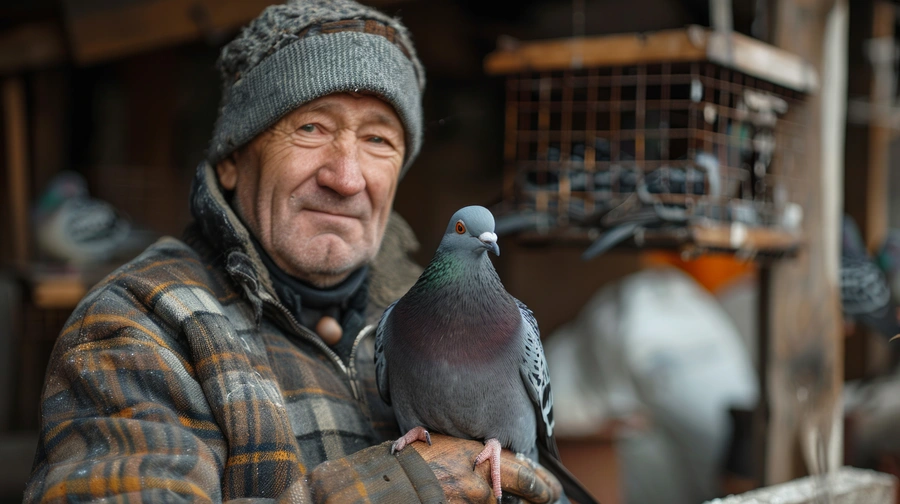
Pigeon racing is a brilliant hobby, but it isn’t something you can jump into blindly. The birds go through clear stages across the year, and your loft routine changes with them. If you understand those stages before you start, everything becomes easier, from knowing what to focus on, to choosing the right feed and building good habits.
Before the season begins
Before you even think about breeding or training, the biggest aim is a settled routine. New starters often focus on races straight away, but the best lofts are built on consistency: regular care, regular feeding, and calm management.
This is usually the quieter part of the year, where birds are maintained rather than pushed. It’s also when you get used to handling birds properly, learn what “normal” looks like in your loft, and build confidence with daily jobs.
Breeding
Breeding is where the season begins. It’s when you pair birds, they lay, and youngsters are reared. For beginners, this stage teaches you a lot very quickly: observation, patience, and consistency.
Expect the parents to need a steady routine and predictable feeding, because they’re doing a lot of work. Youngsters also need time to grow and develop properly. This stage matters because strong, healthy youngsters don’t happen by accident; breeding sets the foundation for everything that comes later.
Young bird season
Once youngsters are weaned, the focus shifts to settling and learning. This is often the most exciting stage for beginners because progress is visible: young birds start trapping confidently, getting used to the loft, and gradually building experience.
Routine matters more than almost anything else here. Training should start slowly and build up over time, and youngsters can be sensitive to disruption and sudden change. The aim is confidence and steady development, not rushing to the hardest work too soon.
Racing routine and widowhood
Racing isn’t just “turn up and send”. Whether you use a widowhood system or not, the season quickly becomes a weekly rhythm: training, preparation, race day, then recovery, repeated again and again.
This is when you learn how important condition is. Birds need to feel right in the hand, recover properly between races, and stay in a routine they understand. Small adjustments are normal during racing weeks, but constant chopping and changing tend to cause more problems than they solve.
Moulting
After the racing season, birds moult. This is when they replace feathers and recover from the demands of the year. For beginners, it’s easy to overlook because it feels less exciting, but it’s one of the most important stages for long-term quality.
The loft usually becomes calmer and less pressured. The focus is on steady conditions and supporting a clean moult, rather than pushing performance. A good moult helps birds enter the next season in better condition.
Rest and the quieter months
The rest period is where things settle again. You’re maintaining health and condition, not chasing results. It’s also one of the best times for beginners to learn without pressure; handling birds, loft hygiene, and understanding how your pigeons behave day to day.
This stage prepares you for the next cycle. A steady routine here makes breeding and training feel much smoother when the season begins again.
The simple takeaway for beginners
Pigeon racing makes far more sense once you see it as a seasonal cycle:
Breeding → Young birds → Racing routine → Moulting → Rest
Each stage has a different purpose. If you try to treat the whole year the same, you’ll always feel like you’re guessing. If you understand what stage you’re in and what the birds need at that time, your decisions become much clearer.


