
How to Introduce Poultry Pellets
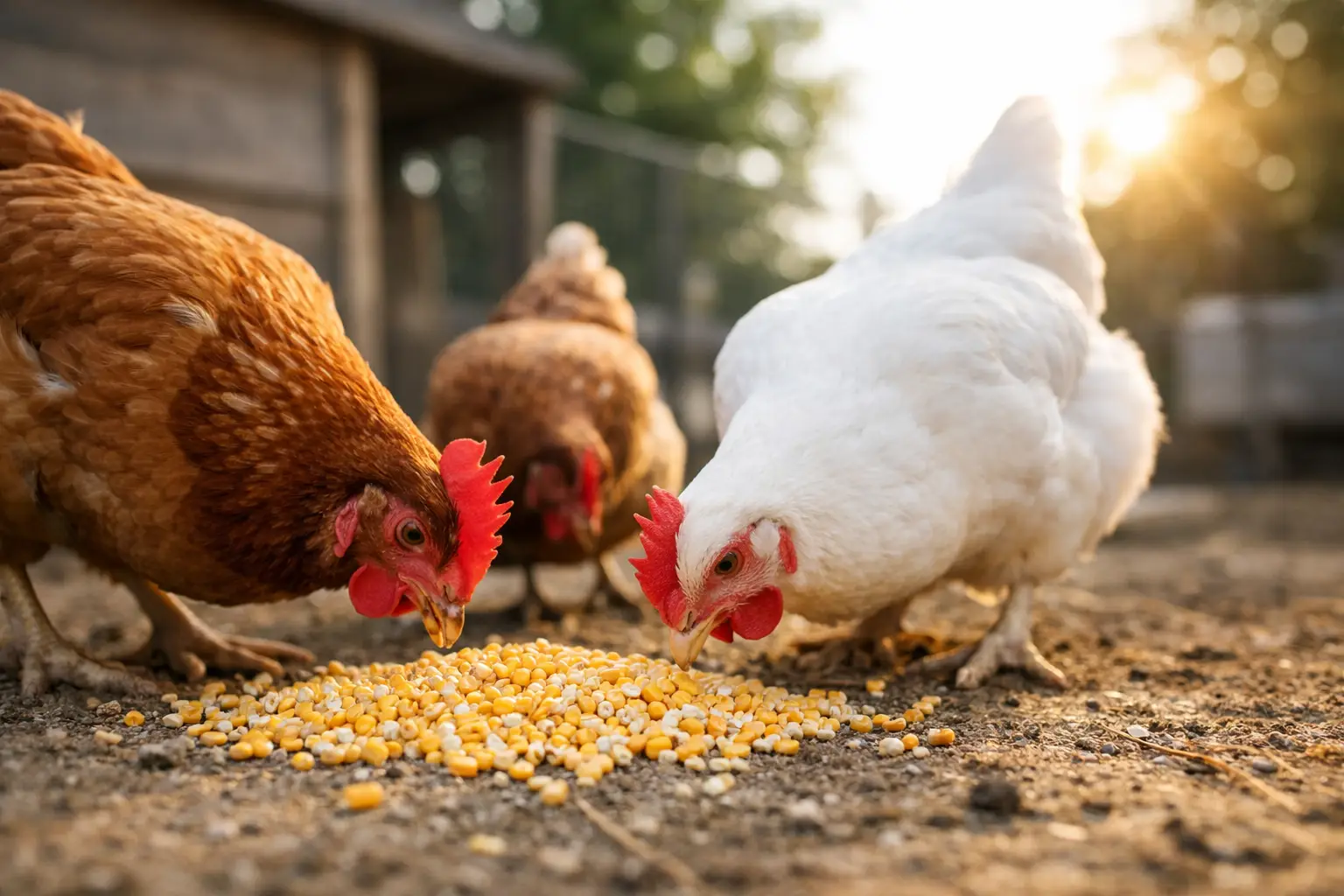
A hen that has always picked through a mixed ration may look at a feeder of pellets as though it contains gravel. That is nothing unusual. Changing the feed gradually gives birds time to get used to the shape and texture of pellets without disrupting their normal feeding routine.
Poultry pellets provide a uniform ration, so birds cannot simply pick out their favourite grains and leave the rest behind. The important thing is to choose a feed that suits the age and stage of the birds and introduce it steadily rather than changing everything overnight.
Why Change Birds on to Poultry Pellets?
A good poultry pellet is usually formulated as a complete feed for a particular stage of the bird’s life. Layers’ pellets are intended for laying hens, while chick crumbs and growers’ feeds are made for younger birds with different nutritional requirements.
Pellets can also help reduce selective feeding. With mixed rations, some birds will often eat the maize or larger grains first and leave finer ingredients behind. A pellet combines the ingredients into a more consistent feed.
Not every bird accepts pellets immediately. Some take to them quickly, while others need time to adjust. Smaller birds and bantams may also find a smaller pellet or crumb easier to manage.
How to Introduce Poultry Pellets Gradually
Start by mixing a small amount of pellets into the birds’ usual feed rather than removing the old ration straight away.
As the flock begins eating the pellets normally, gradually increase the proportion over several days. If the birds are still picking around the pellets and leaving them behind, keep the change steady rather than increasing the amount too quickly.
Once the pellets are being eaten willingly, the previous feed can be reduced until the new ration becomes the main feed.
Keep an eye on what is left in the feeder rather than simply topping it up. Remove any old, damp or soiled feed before adding a fresh amount so you can see what the birds are actually eating.
Make the Pellets Easy to Find and Eat
Use a clean, dry feeder positioned at a comfortable height for the birds. Feed left on wet ground can quickly become contaminated by mud, droppings and moisture.
If birds are slow to accept a hard pellet, a small quantity can be lightly dampened with clean water to soften it. Only prepare what the flock will eat promptly, as wet feed should not be left standing.
Try not to compensate for reluctance by offering large amounts of corn or other treats. If birds know a more familiar feed is coming later, they may simply wait for that instead of adjusting to the new ration.
Choose the Right Feed for the Flock
Not all poultry pellets are suitable for every bird.
Chicks need an appropriate chick starter or chick crumb rather than layers’ pellets.
Young growers should move on to a suitable growers’ feed as they develop.
Laying hens can be fed a layers’ ration once they reach the appropriate stage.
Mixed-age flocks can be more difficult to manage because young birds and laying hens may require different feeds. Where possible, separate feeding areas make it easier to ensure each group receives the right ration.
Bantams and smaller breeds may eat standard pellets without difficulty, but if feed is being repeatedly dropped or ignored, a smaller pellet or crumb may be more practical.
Keep Treats in Proportion
Mixed corn and other extras can still have a place in the feeding routine, but they should not replace a nutritionally complete ration.
Offer the main feed first and keep treats to a sensible amount. Too many extras can fill birds up before they have eaten enough of their balanced feed.
Fresh, clean water should always be available. Birds with access to whole grains, vegetation or other fibrous material may also require suitable insoluble grit, while laying hens may need access to an appropriate calcium source where required.
What to Do When Hens Refuse Pellets
A little suspicion is common when birds are presented with a new feed. Complete refusal is less common, but it can happen where a flock has been used to mixed grain, mash or frequent treats.
First, check the feed itself. Pellets should be fresh, dry and free from any stale or musty smell. Store opened feed in a cool, dry place protected from moisture and vermin.
Next, reduce competing foods and keep the feeding routine consistent. Avoid changing the feed, feeder and feeding position all at once if you can help it.
If one bird appears unable to eat, shows a marked loss of appetite or begins losing condition, do not assume it is simply being fussy about pellets. An individual bird may need closer assessment and veterinary advice where appropriate.
Keep an Eye on Feed Intake
Once the flock is eating pellets normally, continue to monitor how much feed is being used and whether there is excessive waste beneath the feeder.
Check that quieter birds are still getting access and that dominant hens are not controlling the feeding area. If necessary, use more than one feeder so the whole flock can eat comfortably.
Feed intake varies with breed, body size, weather, ranging space and the amount of other food being offered. The feeding guidance on the bag is a useful starting point, but observation of the flock is just as important.
Frequently Asked Questions
Can I feed layers’ pellets to cockerels?
Layers’ pellets are formulated for laying hens and contain nutrients designed around egg production. Where cockerels are kept permanently with hens, the most suitable feeding approach will depend on the wider flock and feed being used. Check the feed manufacturer’s guidance if you are feeding a mixed-sex flock.
Do hens still need grit when eating pellets?
Pellets themselves do not normally require grit to be broken down in the same way as whole grains. However, birds that also eat whole grains, vegetation or other fibrous material may still need access to suitable insoluble poultry grit.
Can poultry pellets be mixed with mash?
They can be combined during a gradual changeover where both feeds are appropriate for the same age and type of bird. Avoid mixing feeds with very different nutritional purposes simply to use up an old bag.
How should opened poultry pellets be stored?
Keep them in a cool, dry place protected from damp, rodents and other pests. A clean container with a close-fitting lid can help protect the feed once the original bag has been opened.
Do poultry pellets go off?
Yes. Like other animal feeds, pellets can deteriorate if they are stored badly or become damp. Do not feed pellets that smell stale or musty, have become mouldy or show signs of contamination.
Can pellets be fed to free-range hens?
Yes. Free-range birds can still be given an appropriate complete ration. Foraging provides variety, but it should not be relied upon to provide all of the nutrients the flock requires.
Should I change pellet brands gradually as well?
A gradual change can be sensible where the new feed has a noticeably different formulation, size or texture. Mixing the old and new feeds for a short period gives the birds time to adjust without disrupting their normal routine.
Final Thoughts
Changing poultry on to pellets is usually straightforward when the right feed is chosen and the transition is not rushed. Introduce the new ration steadily, keep treats under control and pay attention to what the birds are actually eating.
The aim is not simply to get hens to accept pellets, but to establish a feeding routine that suits their age, stage and everyday management.